
How I Got Into Woodworking – And the Tools That Got Me Going
For as long as i can remember, I’ve always been creative. Growing up, we used to make paper planes and little inventions from cardboard and scraps. That joy of creating something from nothing stuck with me – quietly – until my late teenage years.
One day, I found a drill lying around at home, and out of curiosity, I picked it up and started experimenting with scrap wood. That is where it all began. I didn’t have a fancy workshop or state-of-the-art, expensive equipment, just a desire to build, a drill, and a lot of trial and error in my learning process. For me, it was all about having fun and finding an outlet to be more creative.
As I began to take my woodworking more seriously, I slowly added a few essential tools to my toolkit. These are the same tools I now want to recommend to anyone starting out on their journey. These tools laid a foundation for my first real projects and taught me the basics of working with wood
It’s true, there are many machines and tools on the market, and for someone just starting out, it’s easy to feel overwhelmed by the options. I am not a tool expert or specialist, and I don’t claim to have all the answers, but what I am going to share are the tools – both hand and power – that helped me get started.
You might be getting into this trade as a hobby, looking to fix things around the house, or dreaming of building your own unique pieces, either way, these tools are a great place to begin. As you grow, you”ll naturally see the need to expand your toolkit with more advanced machines. My advice to anyone starting out is to start small, and grow in your own pace, with intention.
Here are the 10 essential woodworking tools I recommend for beginners:
1. Measuring Tape
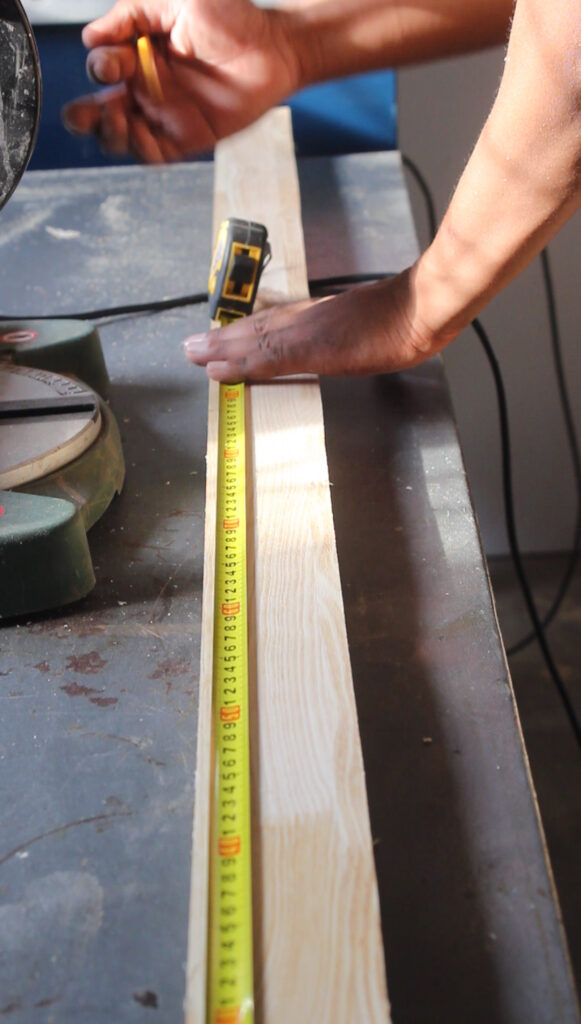
There’s a saying in woodworking: “Measure twice, cut once”. It emphasizes the importance of measuring accurately before cutting, because once the cut is made, there’s no going back. A good measuring tape also ensures that your builds are precise right from the start. This simple tool are the backbone of every project.
2. Drill and Different Size Drill bits

This was the first power tool I picked up, and it’s still one of the most useful. It helps with the driving screws, joining materials, drilling pilot holes and mounting items on walls.
3. Handsaw

Handsaws are versatile and affordable tools that allow precise, controlled wood cutting without the need for electricity. They are perfect for beginners and are essential for both small and detailed projects.
4. Jigsaw

Ideal for cutting curves and intricate shapes, this power tool handles wood with ease. It’s perfect for creative projects and offers versatility for both straight and complex cuts.
5. Claw Hammer

Useful for driving in and removing nails, this tool combines force and functionality in one. The clawed end makes nail removal easy, making it essential for both construction and repair work. It’s especially useful when upcycling thrifted pieces.
6. Screwdrivers (Flat-head and Philips)

Essential for driving and removing screws, these tools are designed for different screw types- flat head for slotted screws and Philips for cross-shaped ones. They are vital for assembly, repairs, and nearly every DIY task.
7. Speed Square or Try Square

Great for marking straight lines and 90 and 45 degrees angles, these tools help ensure accurate measurements and cuts. It’s also useful in checking for squareness and corners when assembling projects.
8. Clamps (G and F Clamps)

Used to hold pieces of wood securely in place, G and F clamps are essential for gluing, cutting and assembling parts. They ensure stability and accuracy by preventing movement while you work.
9. Sanding Block or Orbital Sander

These tools are great for smoothing surfaces and prepping wood for finishing. A sanding block offers control in small areas, while an orbital sander speeds up work on larger surfaces by removing rough edges and imperfections.
10. Spirit Level

Used to check if surfaces are perfectly horizontal or vertical, a spirit level helps ensure accuracy and balance. It prevents projects from ending up uneven or skew.
You don’t need a fully equipped workshop to get started in woodworking. These tools were my foundation and gave me the confidence to take on more. So start small, keep creating and enjoy learning through the process, you will be surprised by how much you can make with just these basics.
– Mo


You May Also Like

Safety First – A Non-Negotiable in Your Woodworking Journey
