Safety First – A Non-Negotiable in Your Woodworking Journey
The importance of safety was first drilled into my head in my very first formal job which was in the construction industry. Every single morning, before any work was discussed, we would start our meeting with a “safety chant.” The chairperson in the meeting will lead the chant and all the officials present would respond.
The chairperson would begin, “What’s the most important thing to remember?”
Us: “Safety comes first!”
Chair: “Why?!”
Us: “Because it’s that important!”
Chair: “And who’s responsible for your safety?!”
Us: “I am!”
This chant has stuck with me. Now that I’m deep in the world of woodworking turning pieces of wood into something beautiful, the chant still rings in my head every time I pick up a tool to work.
To everyone beginning their woodworking journey, trust me, SAFETY MUST BE YOUR NUMBER ONE PRIORITY. It is the part of your work that keeps you going. Your better safety habits you develop early in your journey, the more projects you’ll finish with all your body parts and your joy still intact.
Before we get carried away with sanding edges and making perfect cuts, I have put together 10 essential tips that every beginner should take seriously. While safety practices can vary depending on the tools, these basics are a great starting point. One important reminder I want to put to you also, is always read the safety instructions that come with every tool you purchase. This will help you understand how to operate it safely and protect yourself from potential harm.
1. Safety Goggles

Protect your eyes at all times. Flying splinters and debris can happen in an instant. Safety goggles are essential to prevent serious eye injuries while working with wood and power tools.
2. Ear Protection

Power tools can be very loud, but your hearing doesn’t have to suffer. Protect your ears with earmuffs or earplugs.
3. Dust Mask or Respirator

Dust from wood can build up rapidly, so wearing a dust mask is essential to protect your lungs and maintain long-term respiratory health.
4. Protective Gloves

Use safety gloves when handling rough or splintered wood, but avoid them while using saws or drills, as they can get caught and cause injuries.
5. Closed-Toe or Steel-Toe Shoes

Wearing safety shoes protects your feet from falling objects, sharp tools, and heavy materials commonly found in workshops.
6. Clean and Clear Workspace
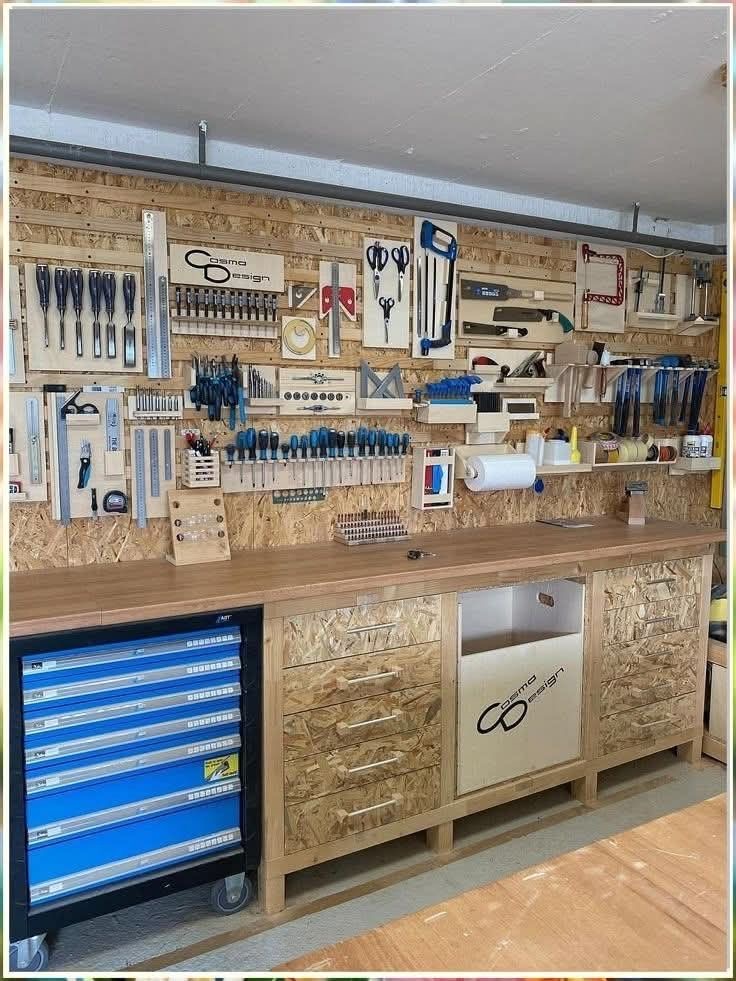
When your workspace is clean and open, you’re less likely to experience accidents like tripping over cables or knocking over off-cuts. Always keep your space tidy.
7. Install Proper Lighting in Your Workspace

Working in poor lighting can lead to guesswork, increasing the risk of mistakes and injury when using the tools. Good lighting ensures clear visibility, helping you measure and cut accurately and safely.
8. Know Your Tools

Read the manual, watch tutorials, and make sure you understand how the tool works before using it.
9. Avoid Loose Clothing

Loose clothing is unsafe around rotating tools and can easily get caught, posing a serious risk. Always wear well-fitting overalls for safety.
10. Use Clamps and Supports

Holding workpieces by hand can be dangerous and increase the risk of injuries. Always use clamps for support, they’re safer and help you achieve more accurate results.
Woodworking is rewarding, creative, and hands-on, but that doesn’t mean it’s risk-free. Respect the tools, respect your space, and most importantly, respect yourself. Because at the end of the day, your best project is you, without injuries, focused, and building many other projects.
So let this be your chant too:
“What’s the most important thing to remember?”
“Safety comes first!”
– Mo


You May Also Like
How I Got Into Woodworking – And the Tools That Got Me Going
